Impact & Achievements
Measuring our contribution to climate, community and biodiversity.
The figures behind the work
3.5M+
Trees Growing
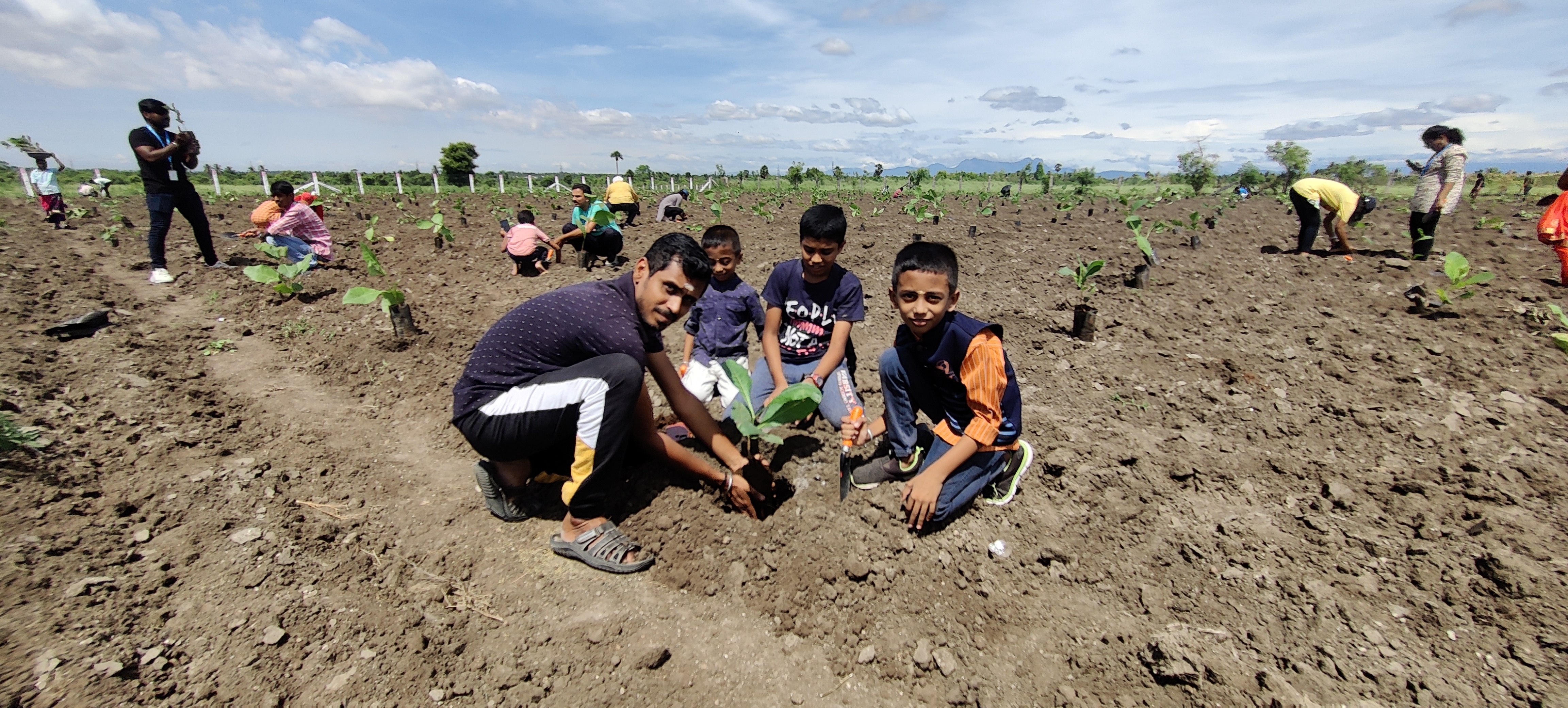
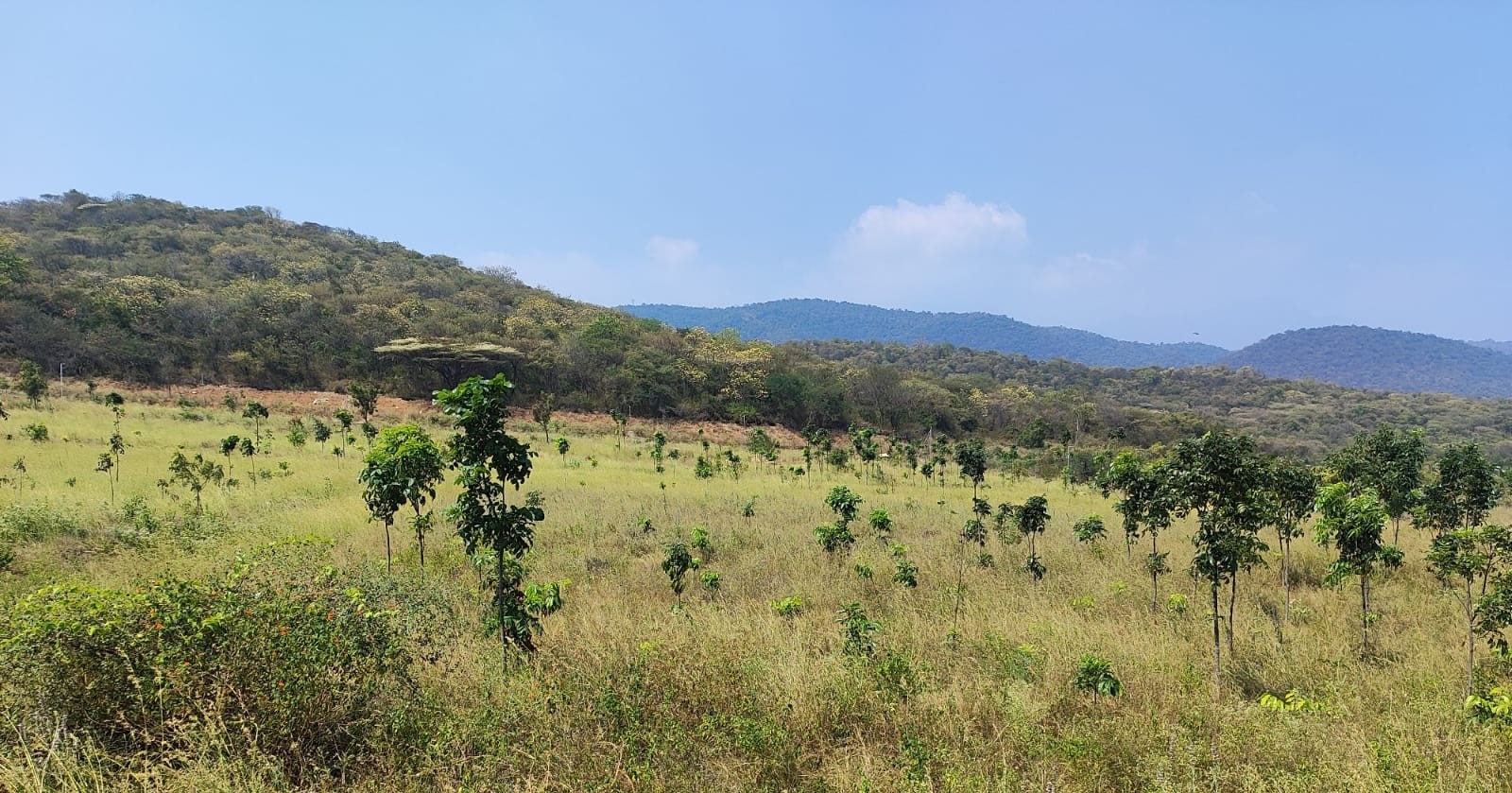
Growing over 3.5 million trees covering over 6,000 acres of unused farmland.
6,000+
Acres Restored
More than 6,000 acres restored through agroforestry and sustainable farming practices.
7,000+
Farmers Benefited
More than 7,000 farmers have benefited through the Rehoboth program.
11
Districts Reached
Tiruvallur, Kanchipuram, Ariyalur, Tiruvannamalai, Coimbatore, Ranipet, Vellore, Tirupattur, Kallakurchi, Cuddalore and Villupuram
6,000+
Corporate Volunteers
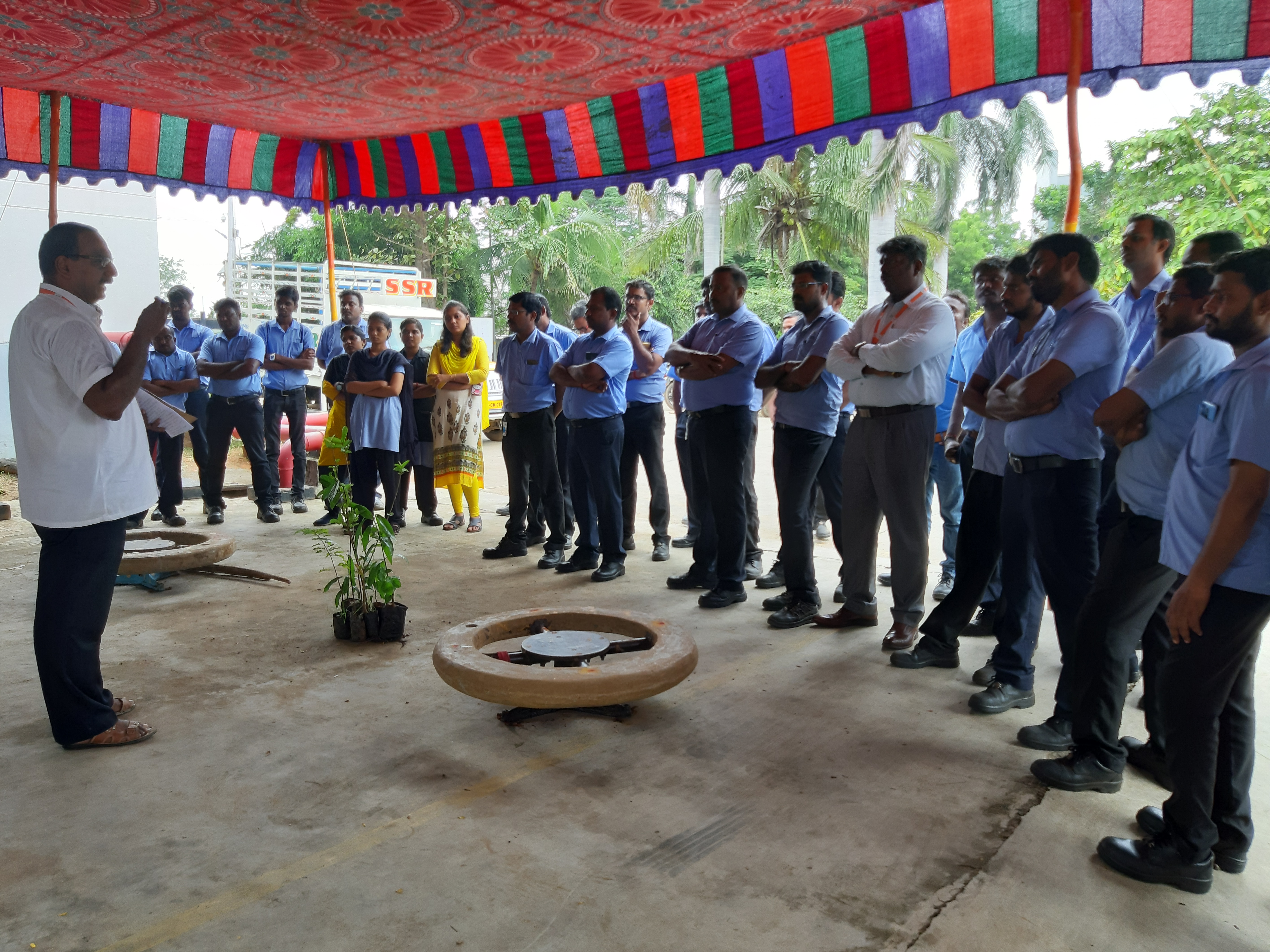
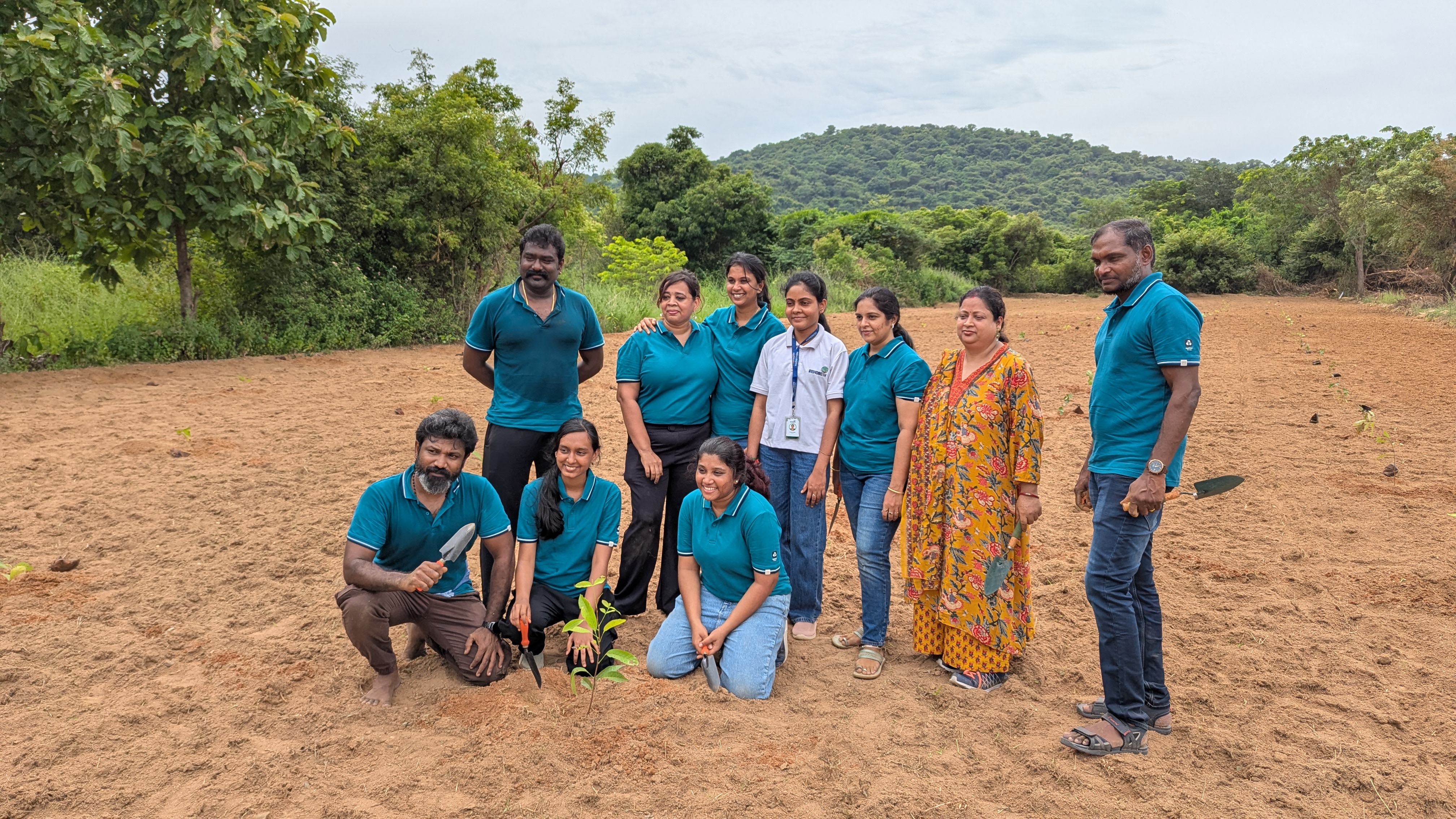
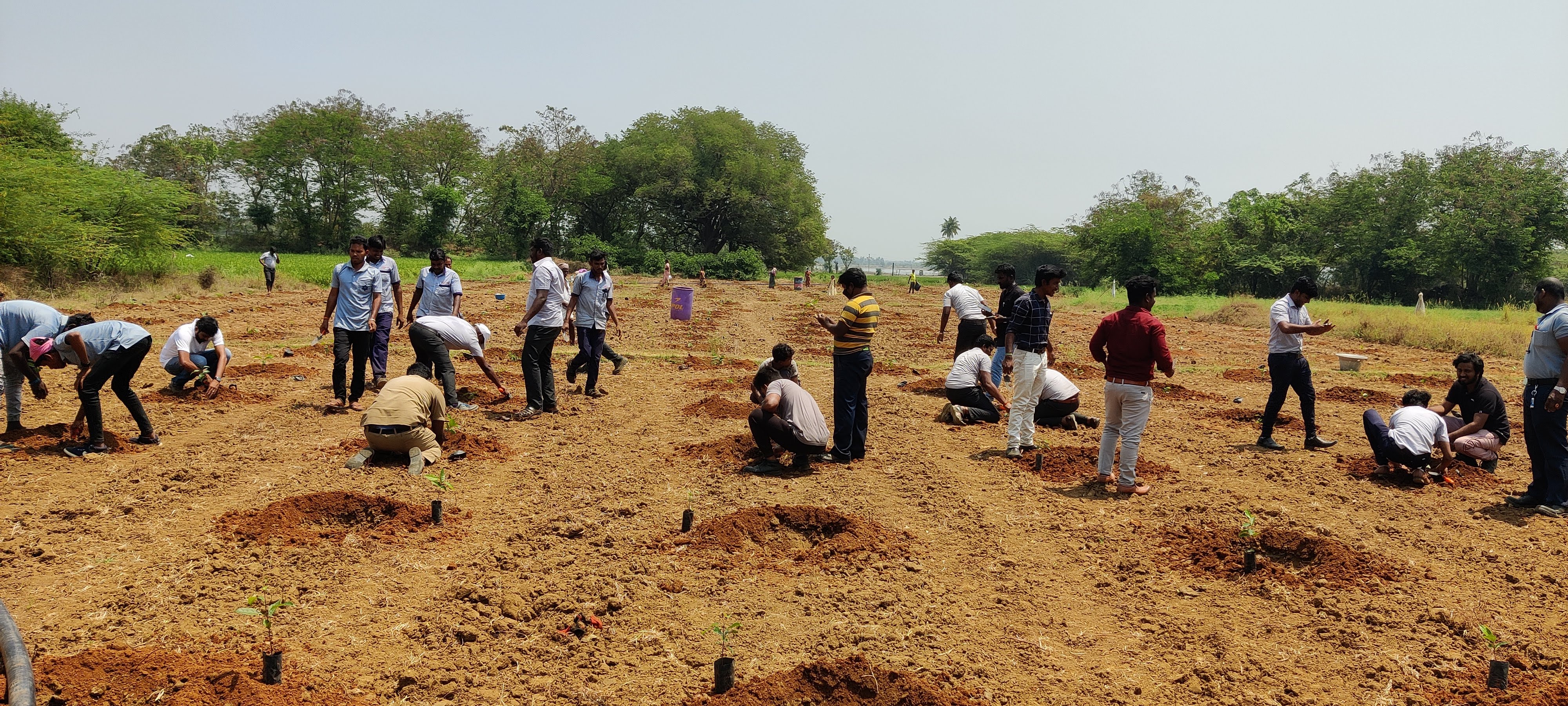
More than 6,000 volunteering employees from the corporate world contributed.
2
Lakes Protected
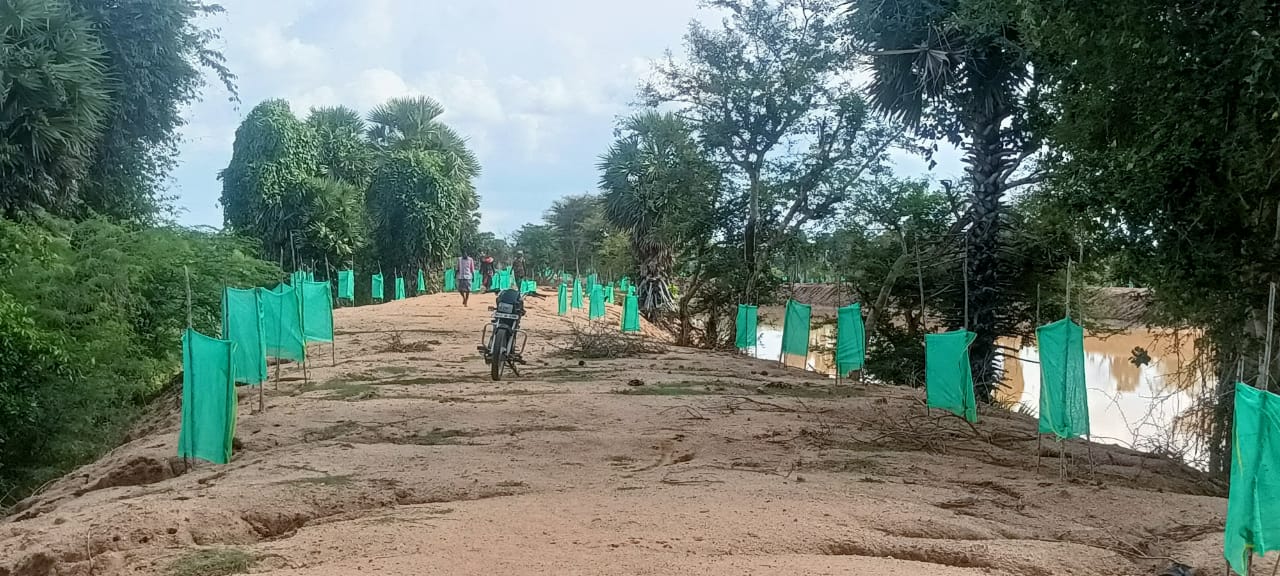
Two lakes were strengthened with bio-fence work around a three-kilometre perimeter.
Climate, Community and Biodiversity
Rehoboth addresses the need of climate, community and biodiversity, which are critical issues throughout the world.
The organization frames its work around the three connected pressures of environmental change, rural livelihood and biodiversity loss.
The work combines farming, tree growth, corporate engagement and conservation so that climate, community and biodiversity are addressed together rather than in isolation.
Key details
- Climate action through reforestation and agroforestry.
- Community empowerment through farmer partnerships.
- Biodiversity support through indigenous tree planting.
Addressing Environmental (Climate) Problems
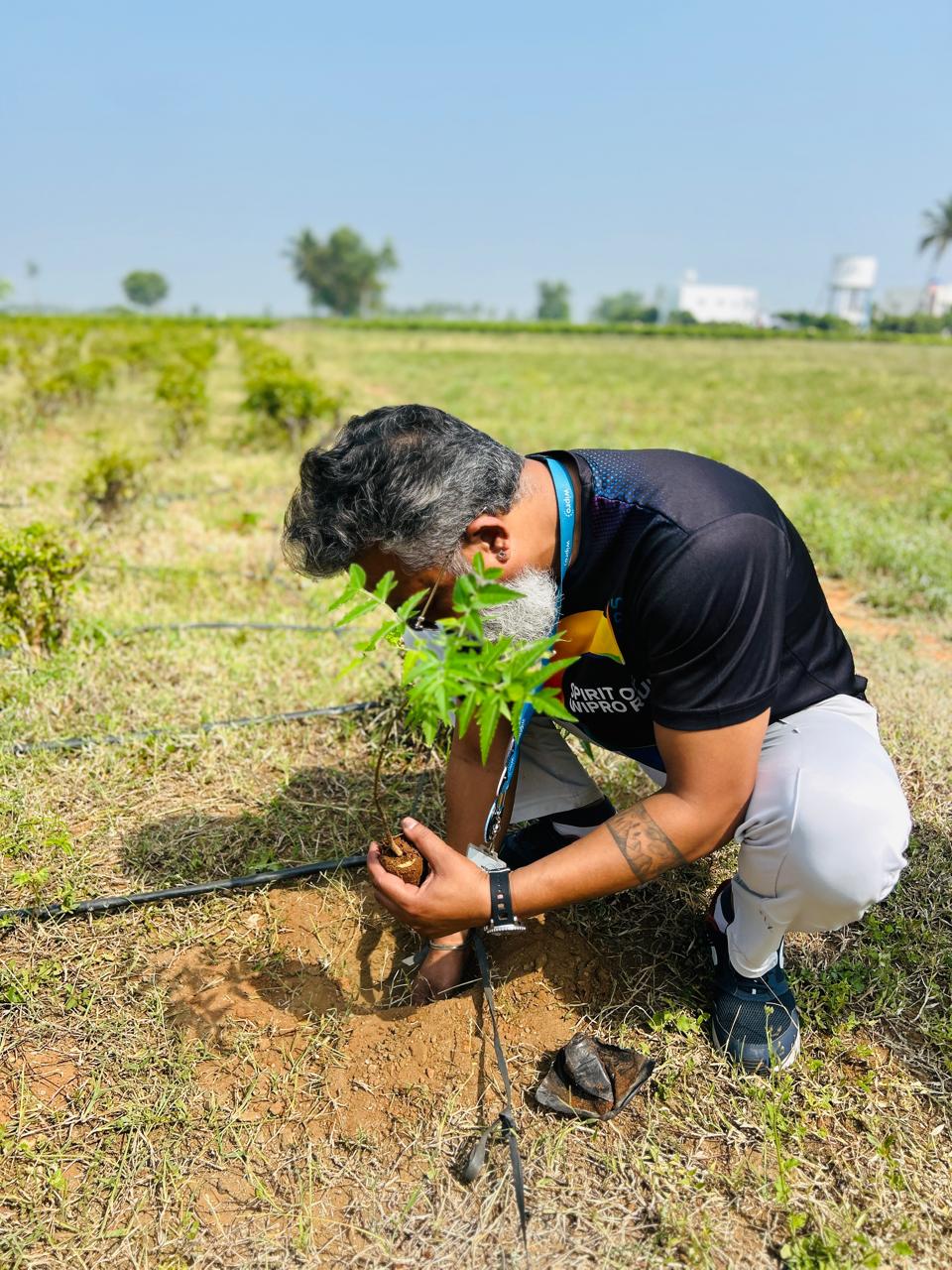
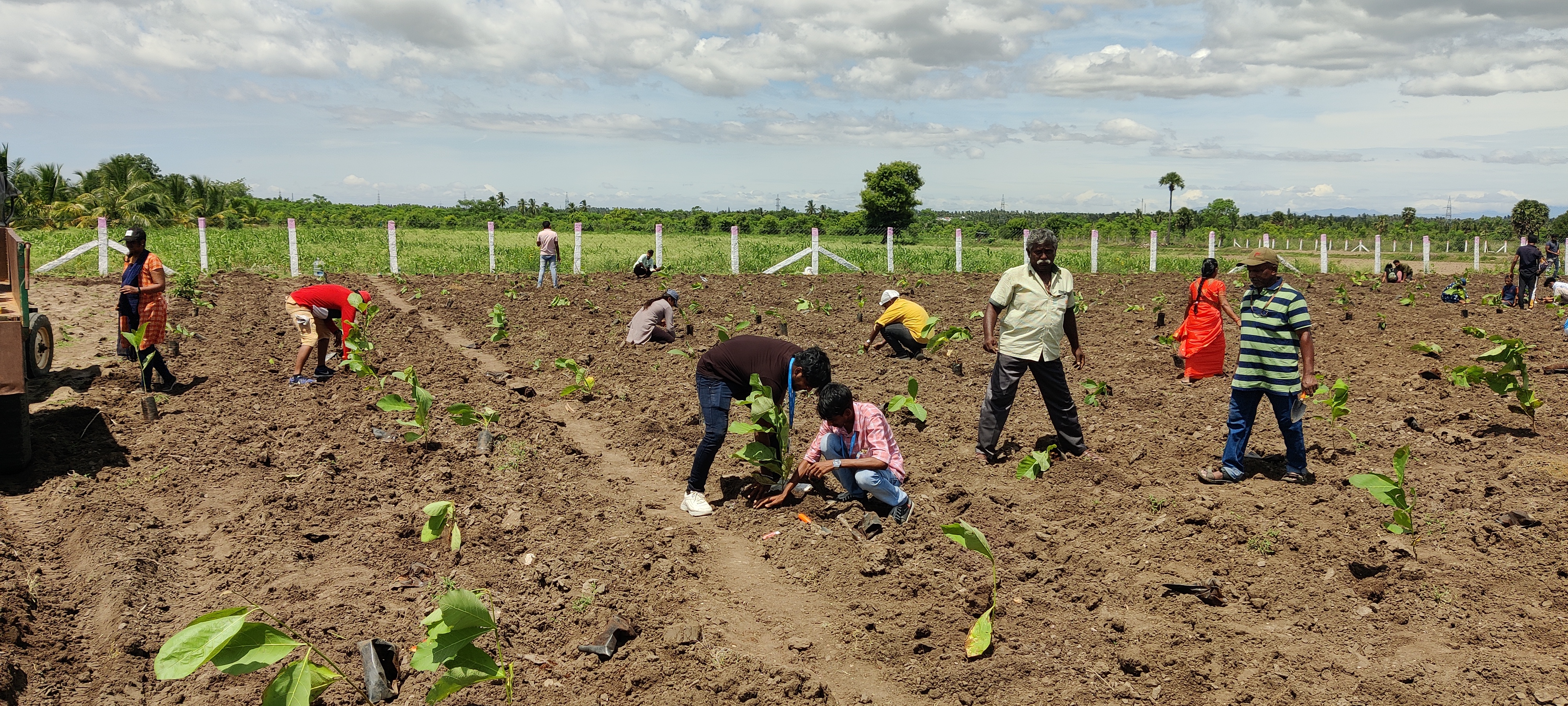
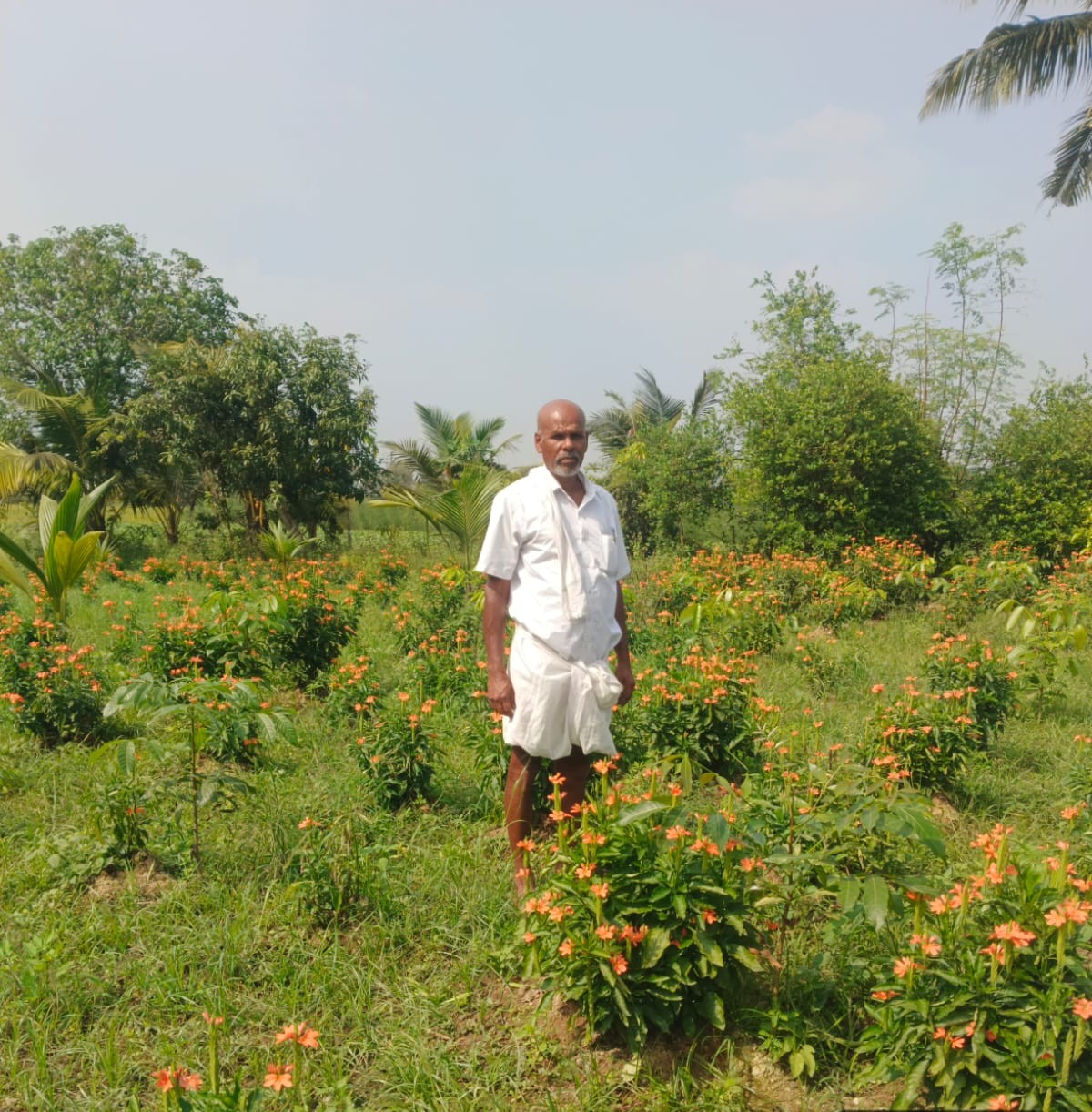
Rehoboth empowers groups of smallholder farmers to restore unused farmlands and to adopt sustainable agricultural practices and grow trees.
The work responds to goals of eliminating drought, overcoming failed monsoons, reducing famine, reducing poverty and developing stronger local economies through agroforest.
Through learning new approaches to managing their land, subsistence farmers have shown that they are a major contributor to CO2 reductions through reforestation, agroforest and sustainable agriculture.
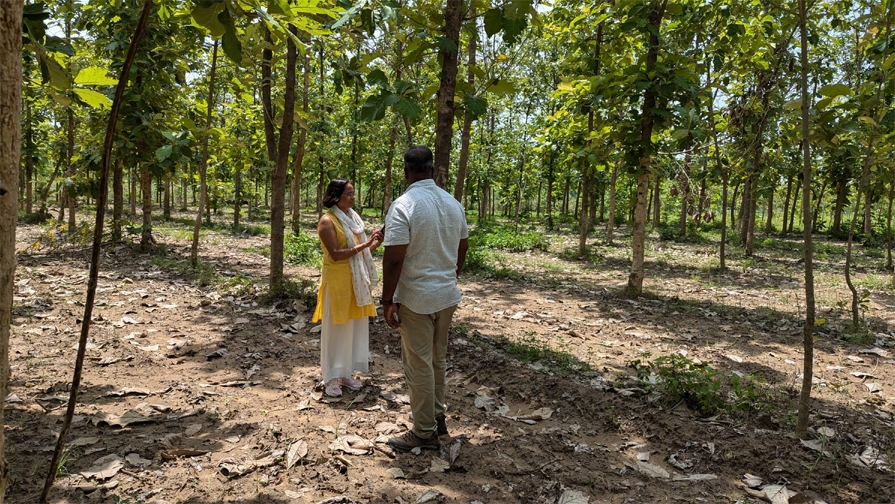
Farmers are growing several hundred thousand indigenous tree species on their land.
Key details
- Over 3.5 million trees are growing.
- Over 6,000 acres of unused farmland are being covered.
Addressing Social (Community) Problems
Agriculture is the life-blood of national economy, as more than 70% of the population depends on agriculture for their livelihood.
The document notes that agriculture should be made ecologically, economically and socially sustainable and that soil and water should be used efficiently for sustainability.
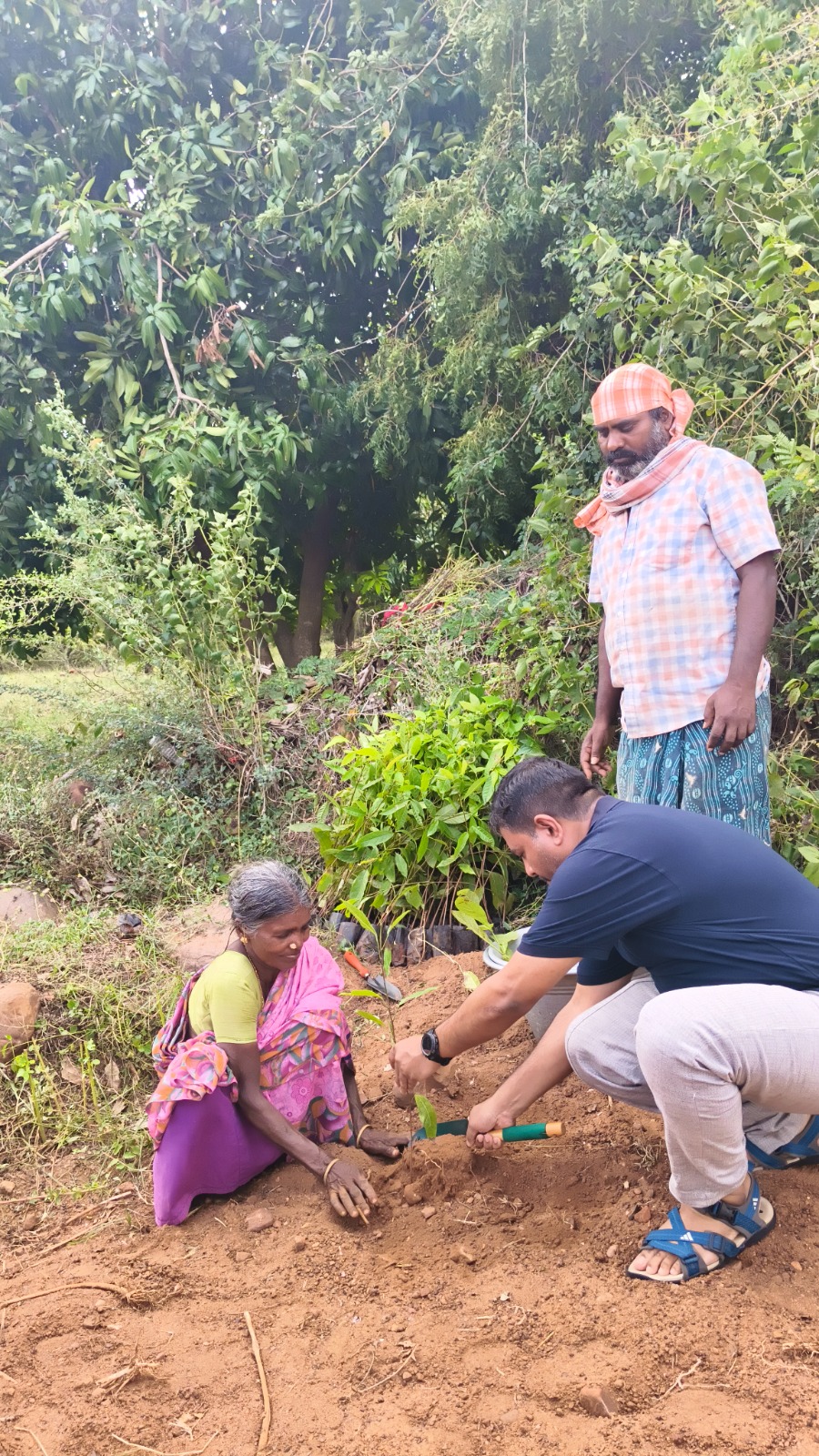
Through agroforest projects, Rehoboth empowers the farmer community and helps them stay in their land to use it effectively for multiple sustainable incomes beginning through agroforestry.
Rehoboth connects urban with the poor dwelling in villages for better livelihood, and over 3,000 farmers benefited.
Key details
- Village livelihoods are strengthened through agroforest projects.
- The organization bridges urban support and rural need.
Addressing Biodiversity Problems
Biodiversity boosts ecosystem productivity where each species, no matter how small, has an important role to play.
Rehoboth works to restore small islands of biodiversity by supporting birds, reptiles, animals and plants of indigenous species.
The project includes indigenous tree species like teak, mahogany, redsander, rosewood, Indian kino, silver oak and Malabar neem, providing habitat for endangered species on farm land.
Silver oak and Redsander are listed as endangered under the Red List, and Rehoboth has planted a good number of those species through the project.
Key details
- Mahogany is planted on farmland through the agroforest model.
- Several flora and small fauna species find an opportunity to thrive on farmland.
District Reach, Corporate Engagement and School Participation
Rehoboth Group has established its operation in districts like Tiruvallur, Kanchipuram, Ariyalur, Tiruvannamalai and Coimbatore.
The group has planted over 3.5 million trees with over 7,000 farmers from different districts of Tamil Nadu through the Rehoboth program, and the farmers are proud owners of beautiful agroforest groves that benefit climate, community and biodiversity.
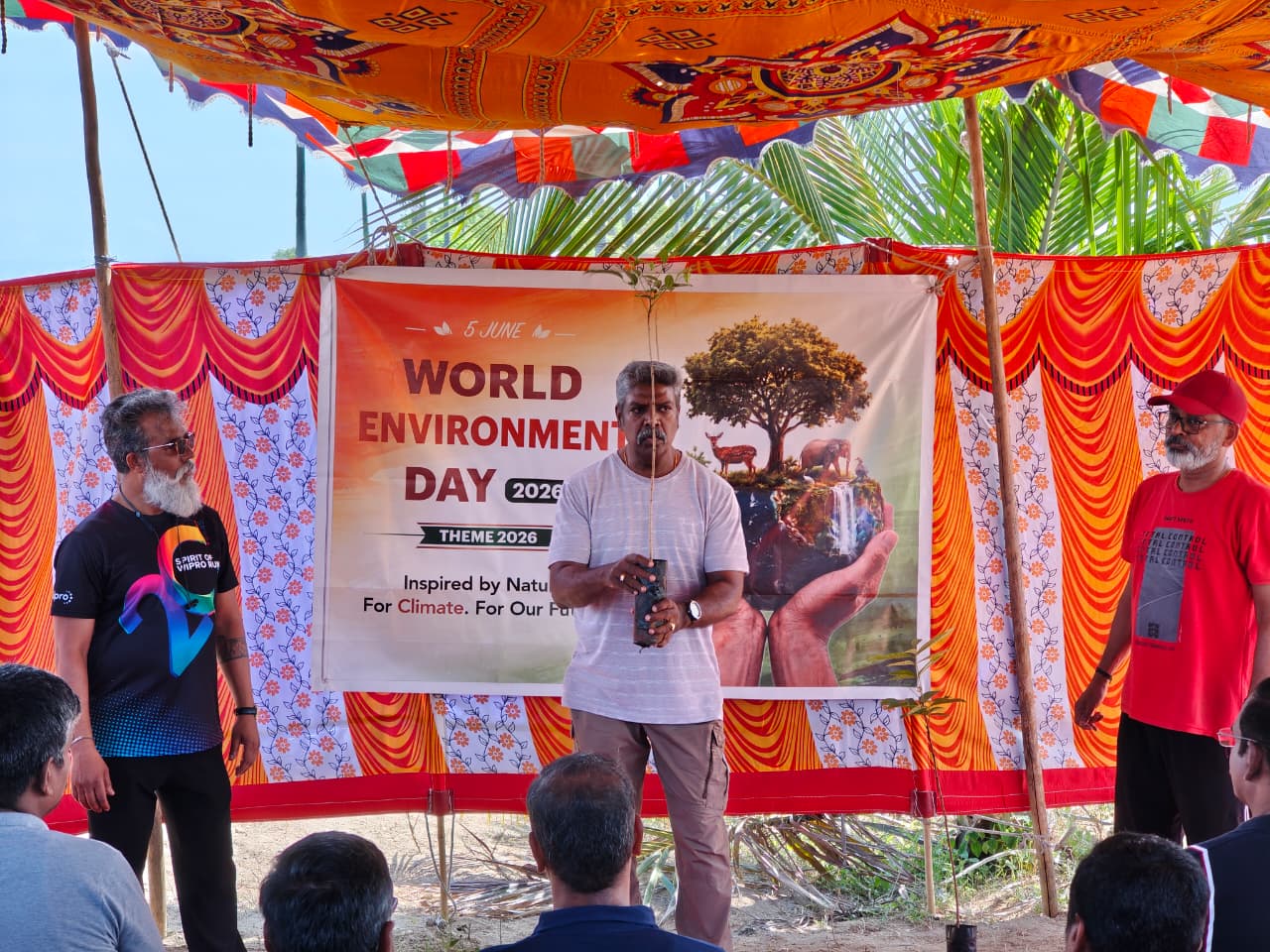
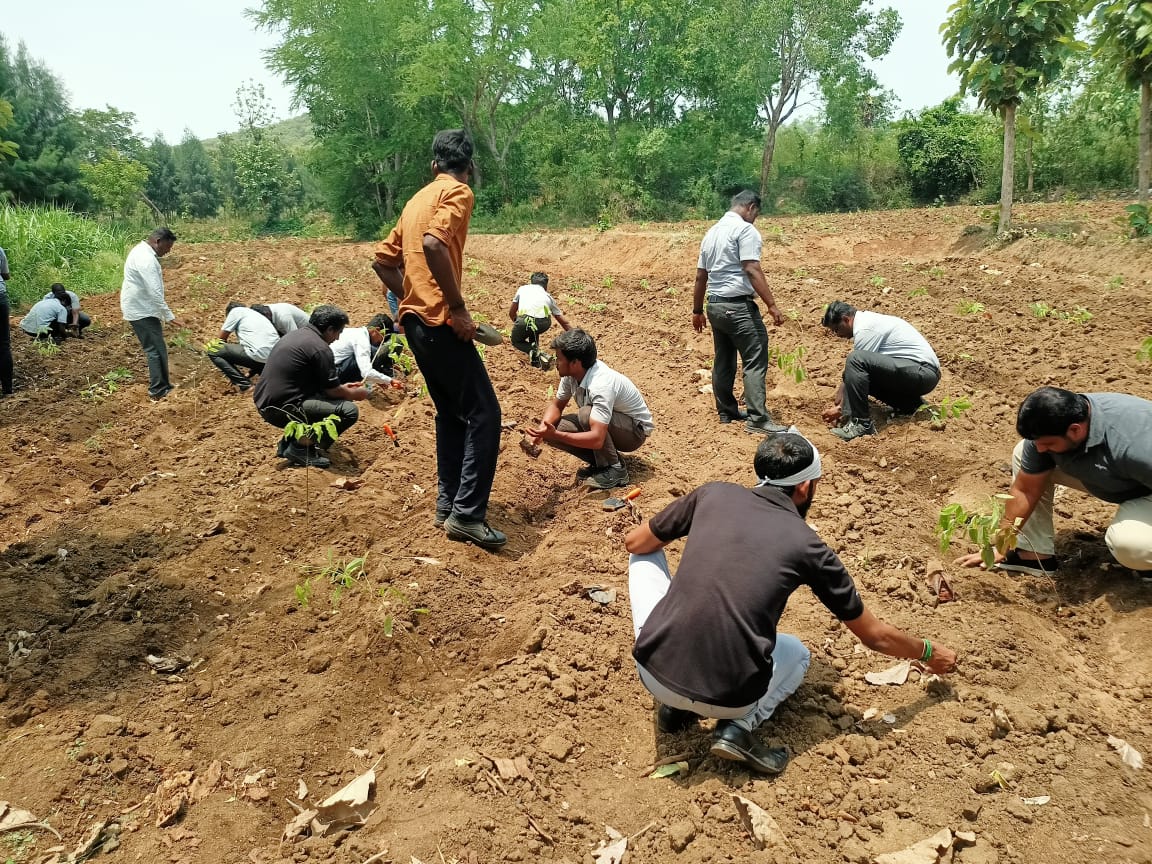
Rehoboth has encouraged corporate companies to join hands with the village community to fight climate change and mitigate global warming through agroforest.
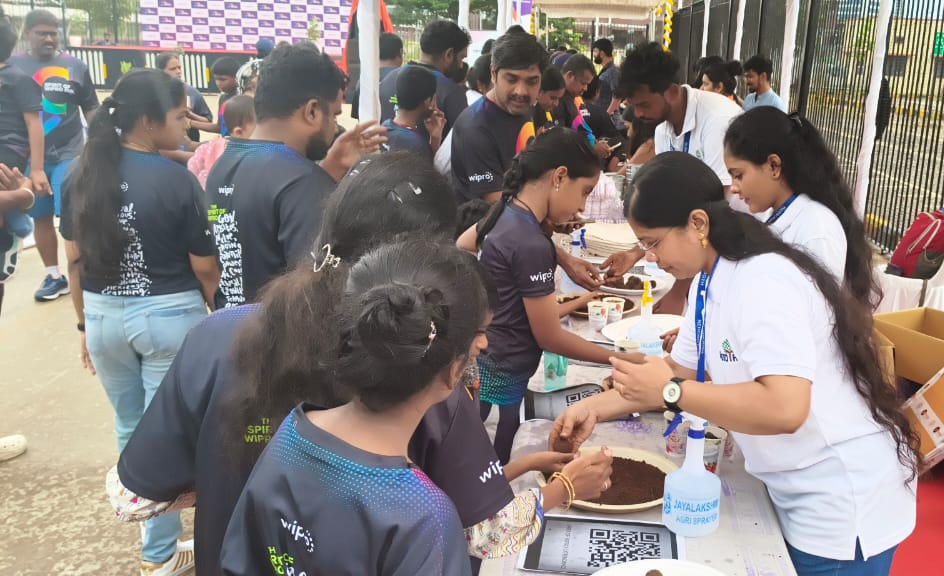
The organization was successful in engaging corporate company volunteering employees to work with the farming community to grow trees and do conservation farming, and it also taught school children about environmental sustainability.
Key details
- More than 6,000 volunteering employees from the corporate world learned to contribute to sustainability goals.
- The organization encouraged 1,000's of individuals to participate in environmental sustainability programs.
- Rehoboth acts as a bridge between urban and rural communities to address climate, community and biodiversity.

Lakes and Bund Conservation
Ponds and lakes need continued attention and protection for many reasons, including drinking water, agriculture, groundwater refill and ecosystem health.
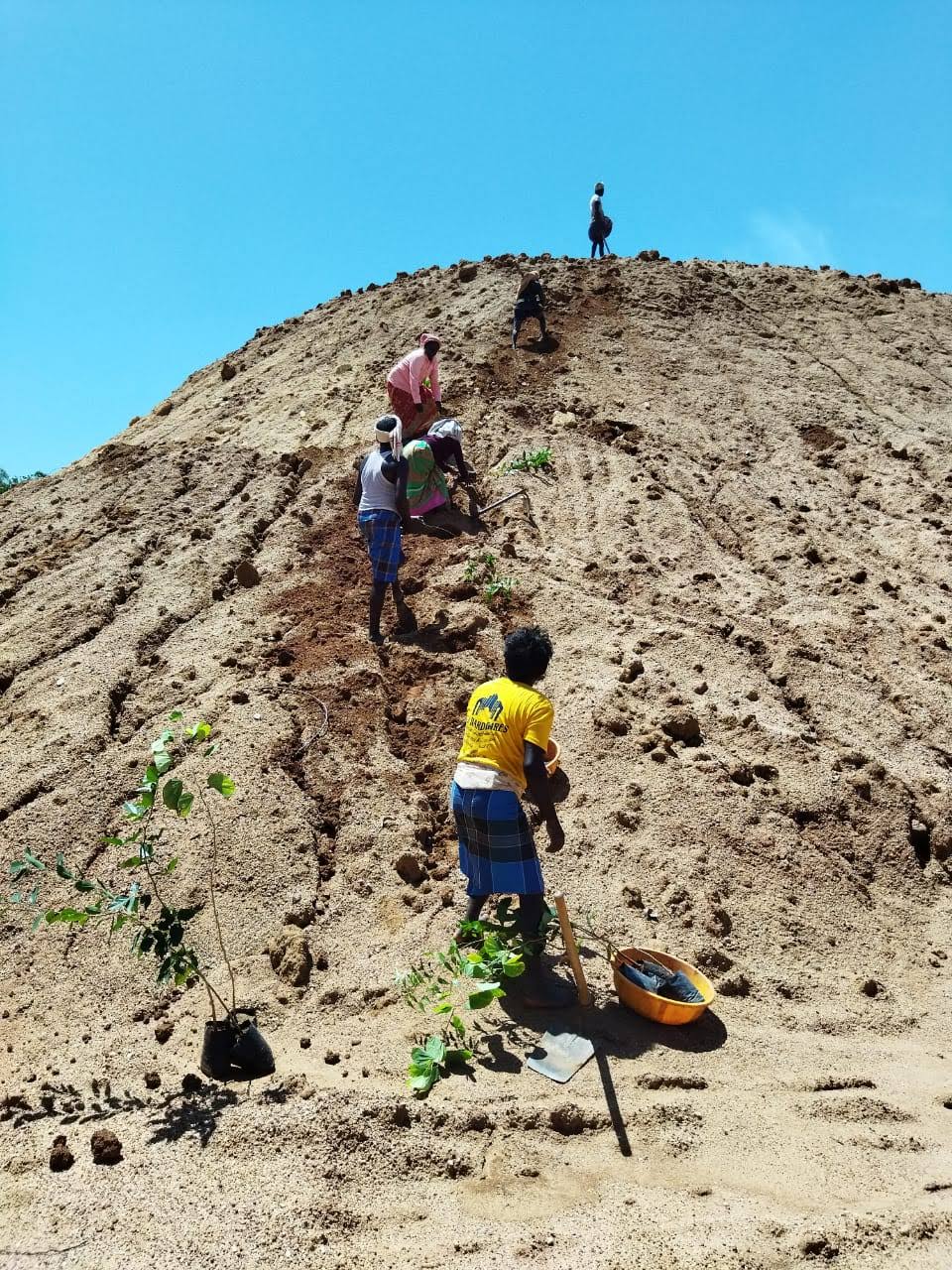
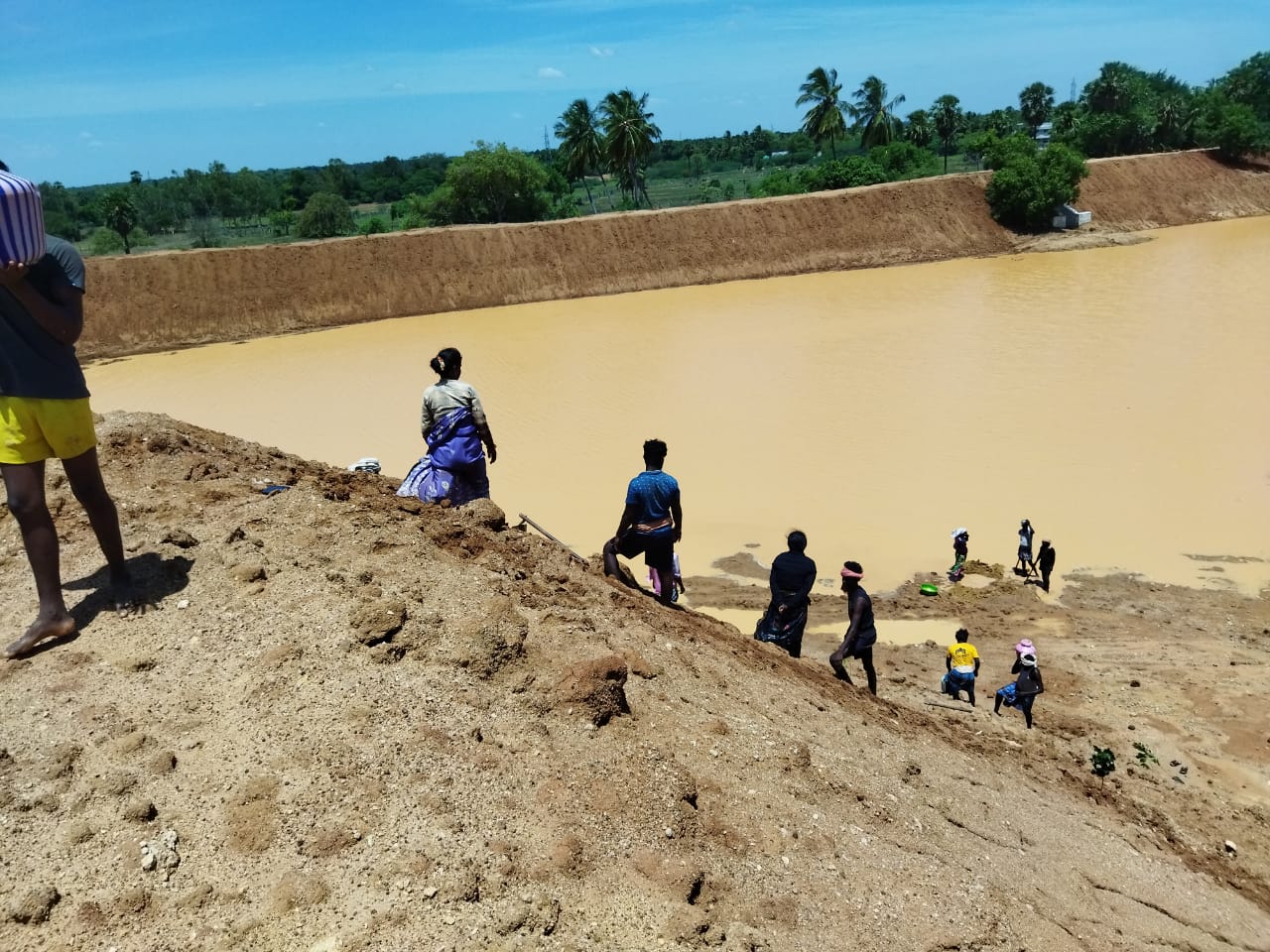
Pond and lake bunds need conservation because they help hold water for a longer period. One good practice to conserve the bunds is to grow bio-fence, grow different tree species and plant across the bunds so the trees act as wind breakers and help protect soil moisture.
At Pudhukotai District of Tamil Nadu State, Rehoboth is growing bio-fence around lakes. Through a sponsor, Rehoboth has completed growing bio-fence around two lakes with a perimeter of three kms.
Key details
- Bio-fence helps protect water bodies and strengthen the bunds.
- Trees planted around the bunds also help preserve soil moisture.
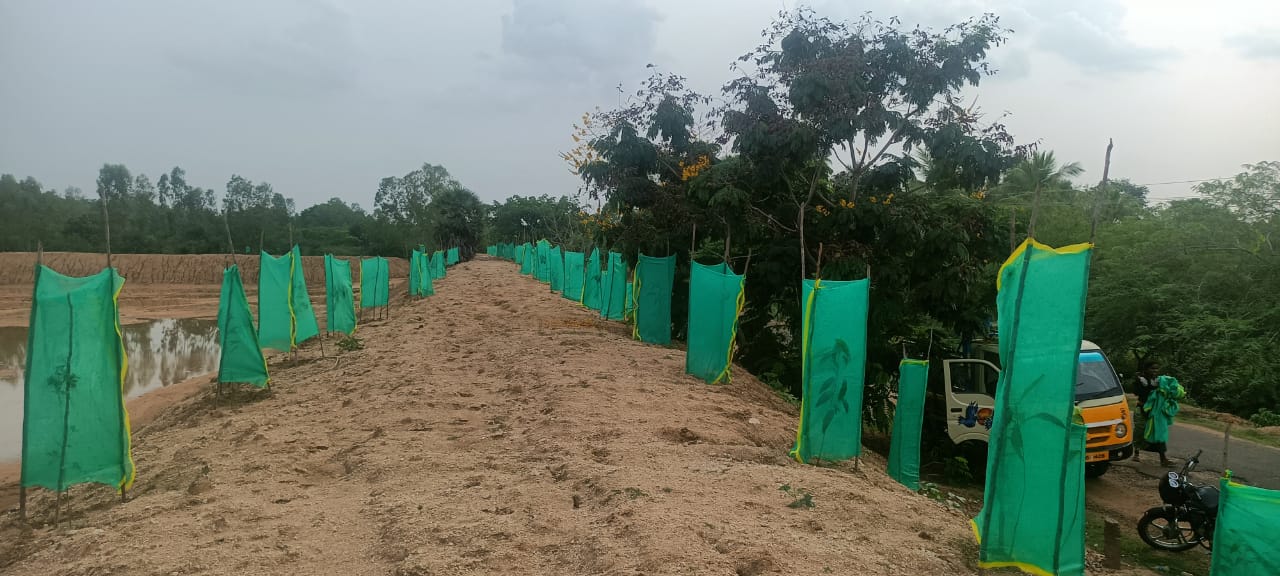
Major Achievement of Rehoboth
The organization’s results are reflected in its long-running climate, community and biodiversity work.
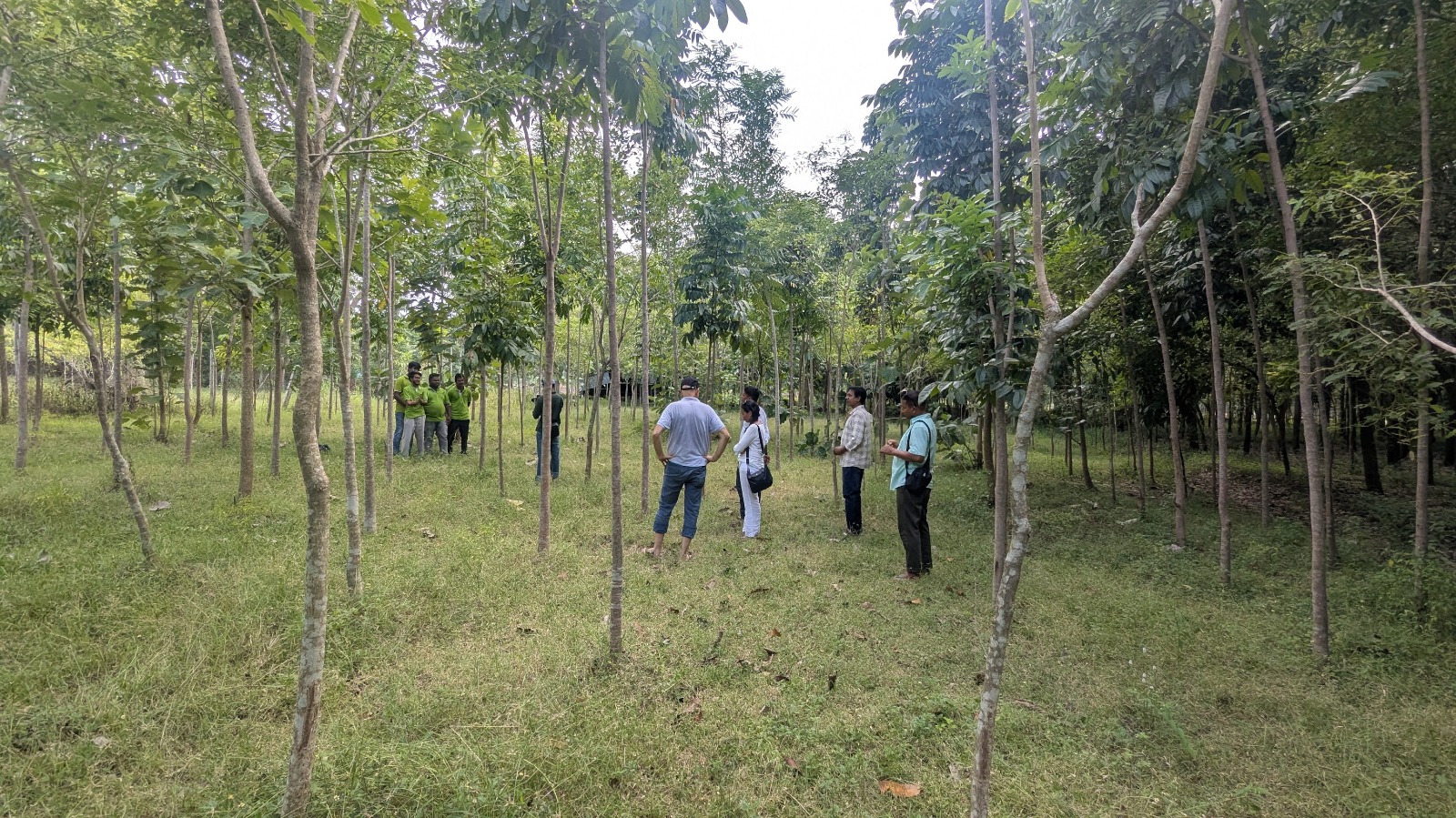
Proven delivery
Rehoboth has proved in delivering good results caused sustainable development in climate, community and biodiversity through CSR and other funding from corporate companies.
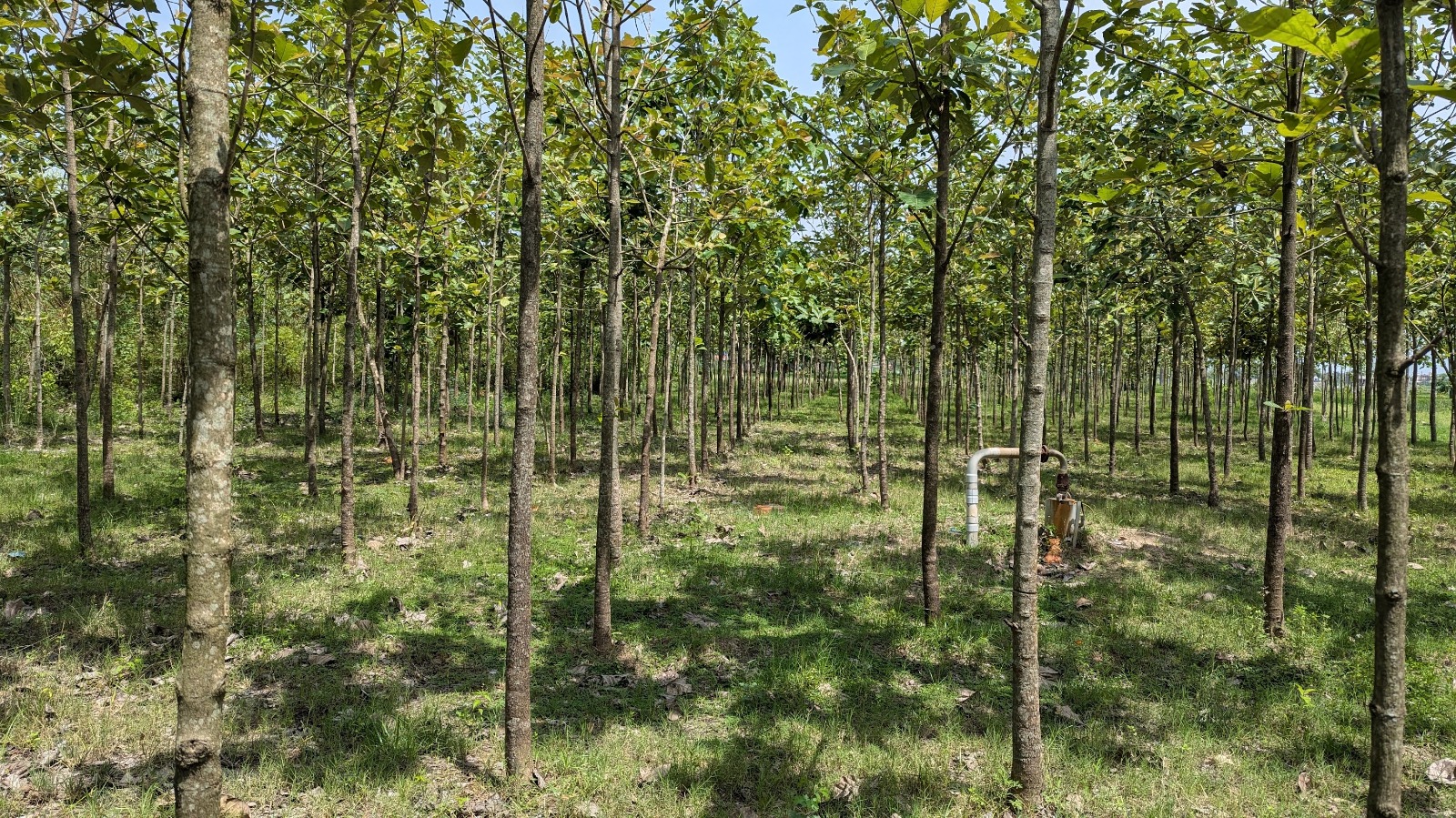
Tree growth
Rehoboth is growing over 3.5 million trees.
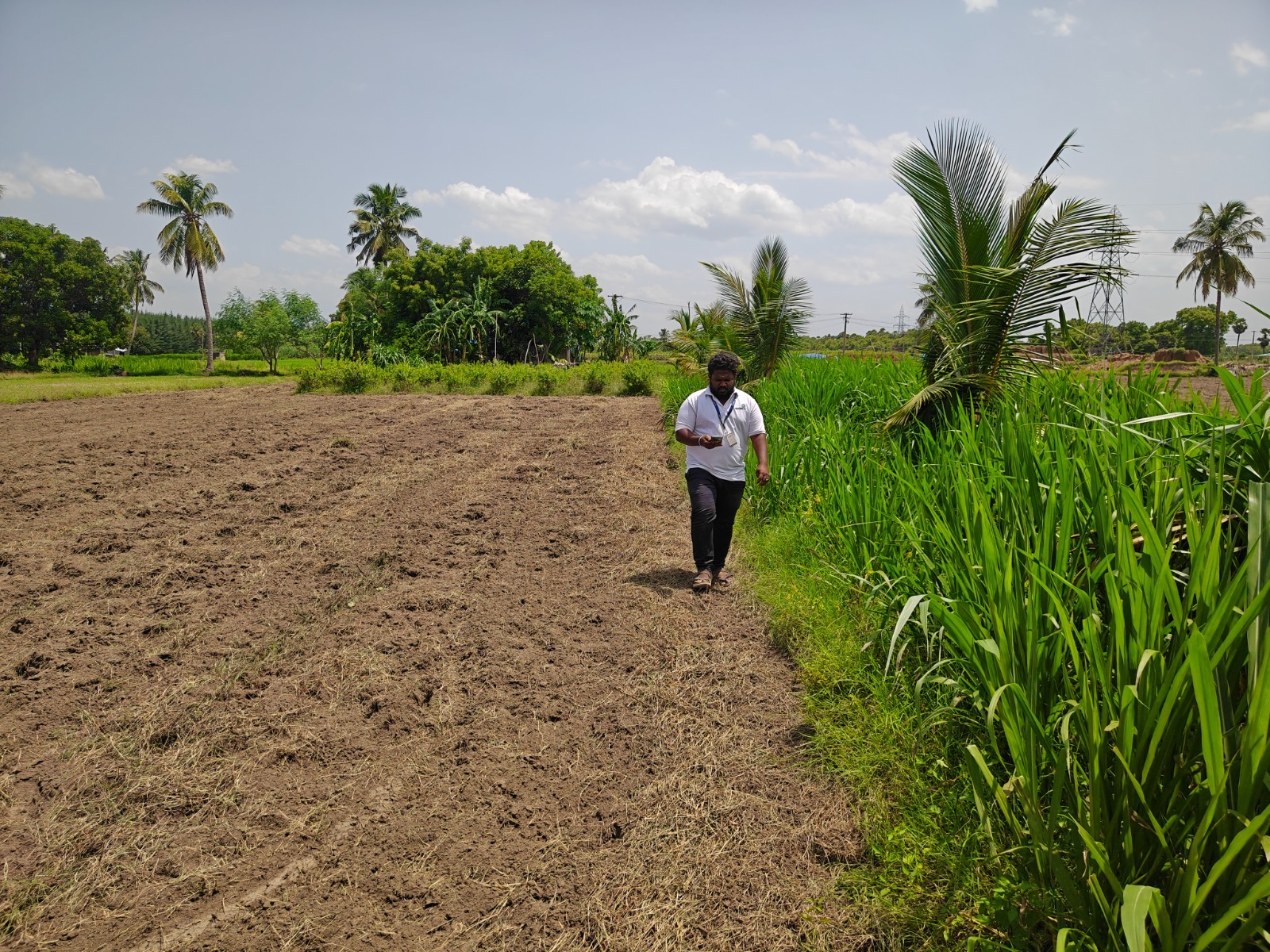
Carbon project work
Currently, Rehoboth is implementing CSR and carbon project work to address climate, community and biodiversity.
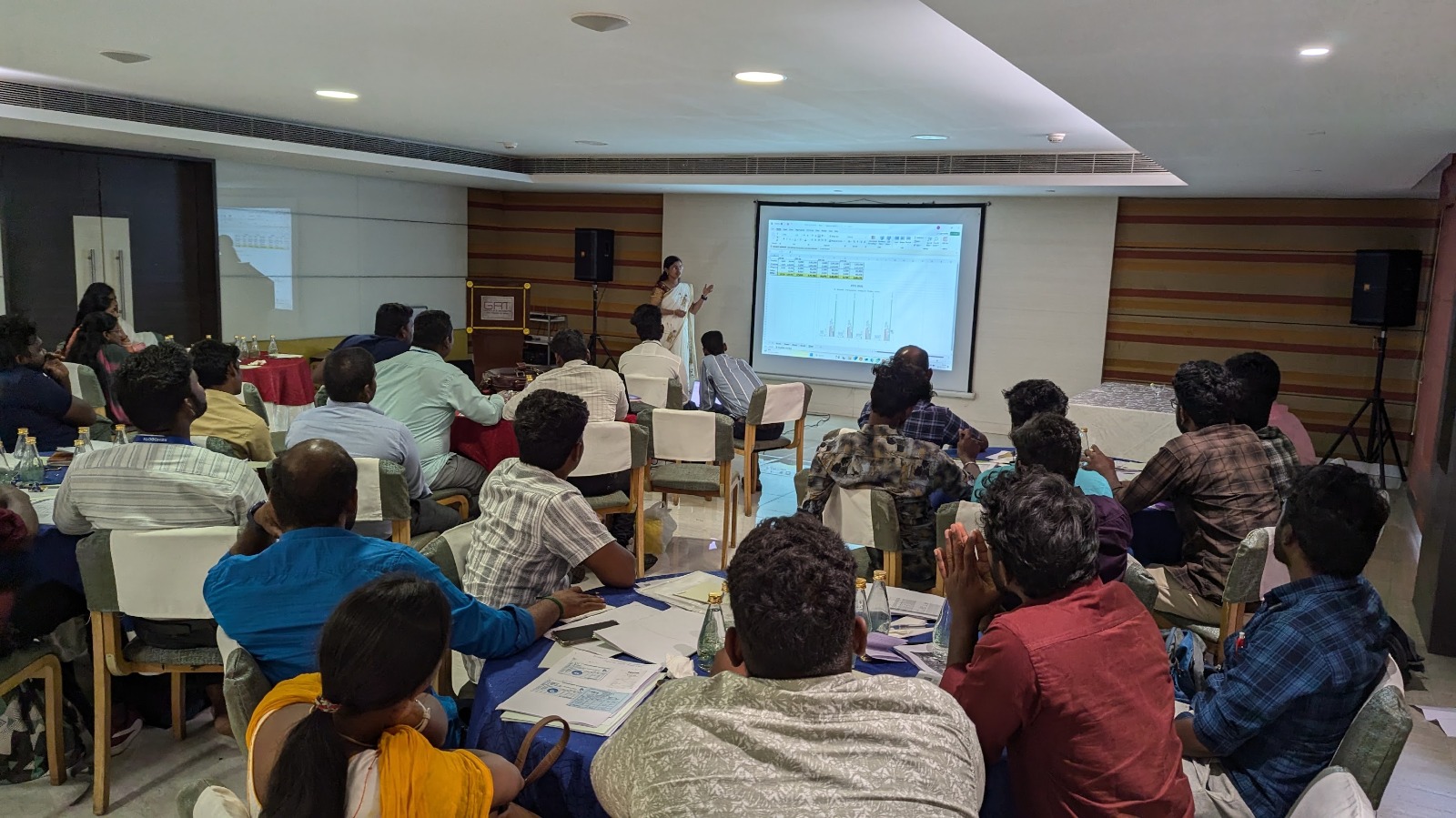
Employee learning
Over 6,000 volunteering employees from the corporate world have learned to contribute to the sustainability goals of the organizations they work with.